
An AI-Powered Headless CMS That Optimizes Itself
You can run your site's content on a headless CMS where AI does the operating: content models with SEO fields built in, entries written and illustrated by a writer assistant, slug-based interlinking with a maintained index, and an optimizer agent that reads your Google Search Console performance and improves underperforming pages. Your own site fetches published content through the CMS API — Knolo is the content brain, your framework stays the website.
AI-Native CMS
A headless content system Knolo builds and optimizes itself — models, copy, images, interlinking, and a Search Console feedback loop — served to your own site through the built-in content API.
Stand up a headless content management system where Knolo owns everything up to the API: design content models (blog posts, pages, authors, categories) as table Minds with SEO fields built in, generate copy and cover/in-content images, interlink entries through a slug-based linking model and a maintained index, backfill Google Search Console performance so an optimizer agent improves what underperforms, and serve published content to any external site through the built-in CMS API and a space API key. Delivery and rendering stay with your own framework — Knolo is the content brain, not the website.
What you can do
Design content models (blog posts, pages, authors, categories) as table Minds with SEO fields baked in
Generate and refine copy and cover/in-content images for every entry
Interlink entries through a slug-based linking model and a maintained content index
Backfill Google Search Console performance into entries so an optimizer agent improves underperformers
Serve published content to any external site through the built-in CMS API and a space API key
Try saying
“Set up an AI-native CMS for my blog”
“Build a self-optimizing content system my Next.js site can fetch”
“Create a headless CMS with SEO fields and Search Console optimization”
When the assistant uses this
Use when the user wants a headless, self-optimizing content management system whose content is served to their own external site via the built-in CMS API — content-type Minds with SEO fields, AI authoring and images, slug-based interlinking with a maintained index, and a Google Search Console feedback loop that drives an optimizer agent. This Skill owns everything up to the API; it does NOT host, render, or publish public pages (that is the consumer framework's job). Compose space-management for the Minds/agents/triggers, integration-management for the Search Console connection and a push-on-publish webhook, and branded-visuals for on-brand images. Not for one-off articles (use content-engine) or an internal-only knowledge base (use knowledge-wiki).
Works well with
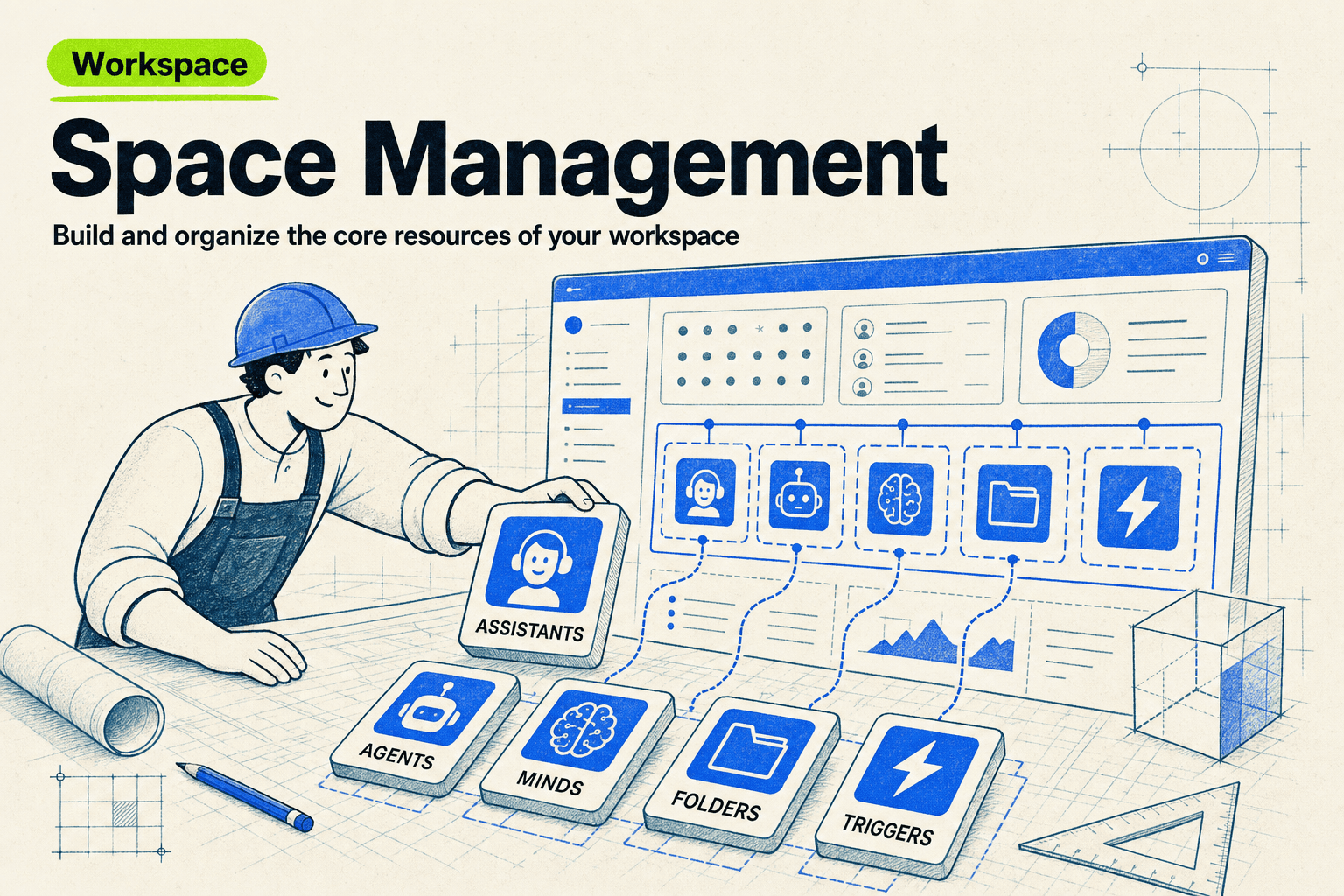
Workspace
Space Management
Build and organize the core resources of your workspace.
Knolo Skill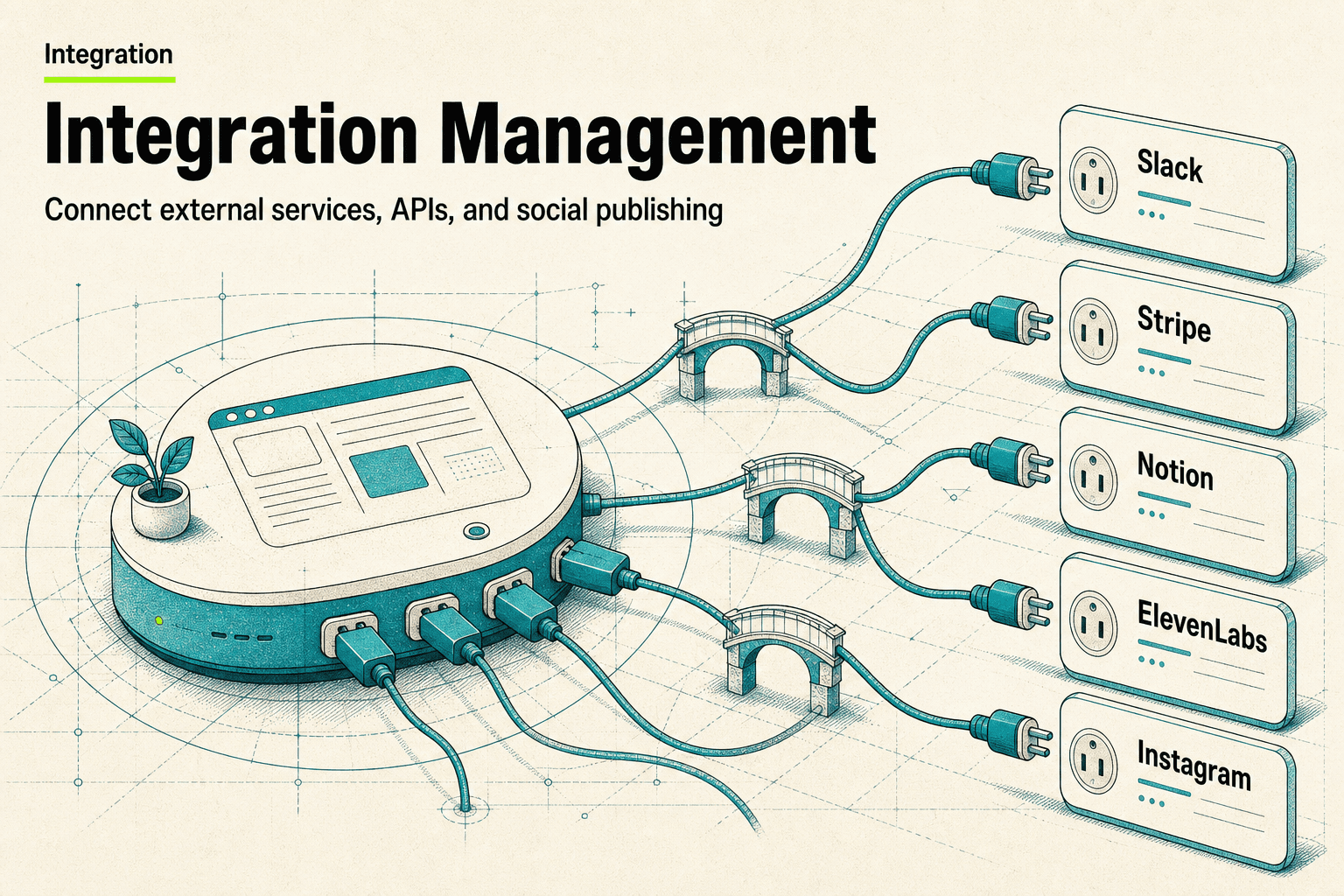
Integration
Integration Management
Connect external services, APIs, OAuth apps, and social publishing.
Knolo Skill
Automation
Branded Image Studio
Turn a swipe file of inspiration into on-brand thumbnails and image ads.
Knolo Skill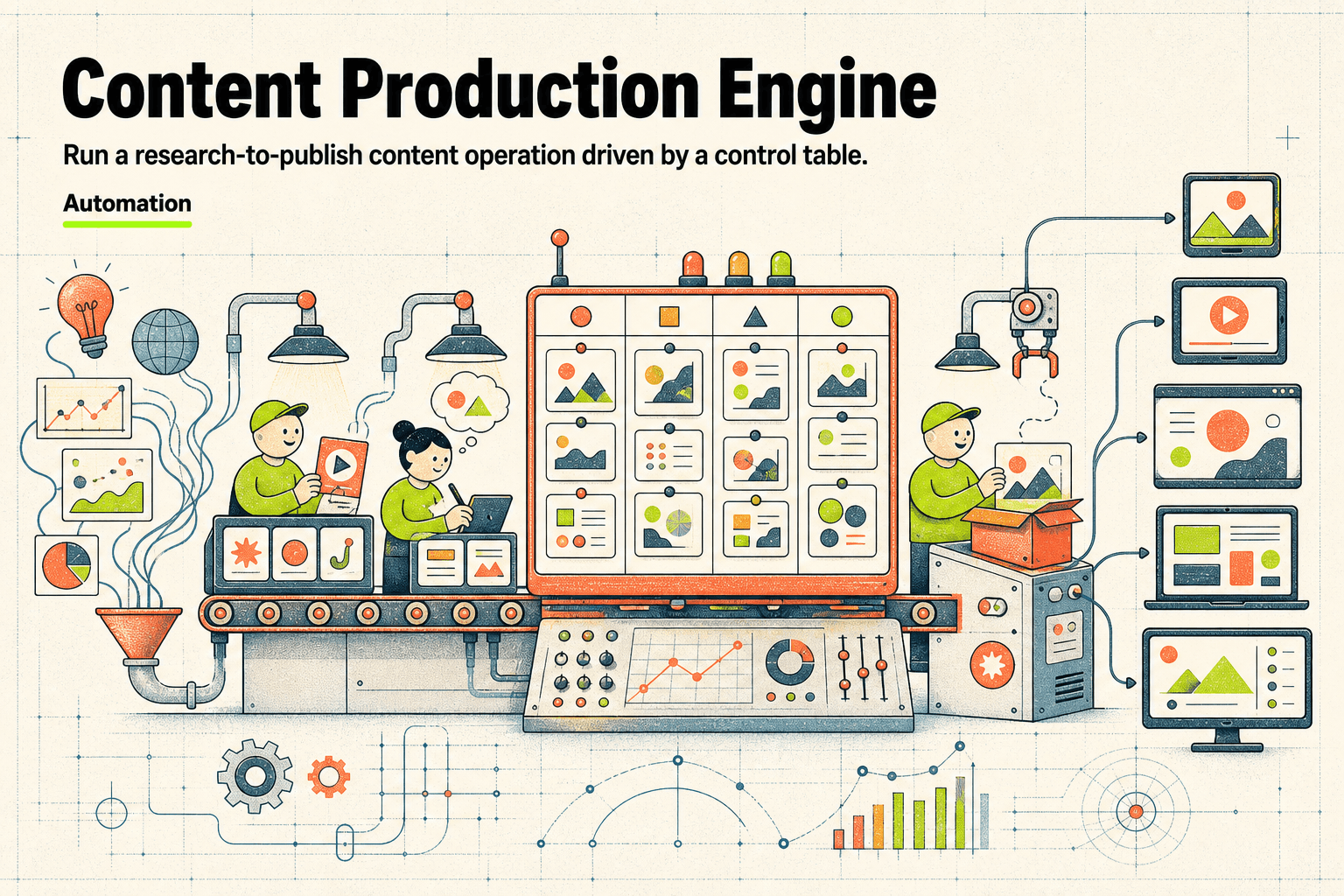
Automation
Content Production Engine
Run a research-to-publish content operation driven by a control table.
Knolo Skill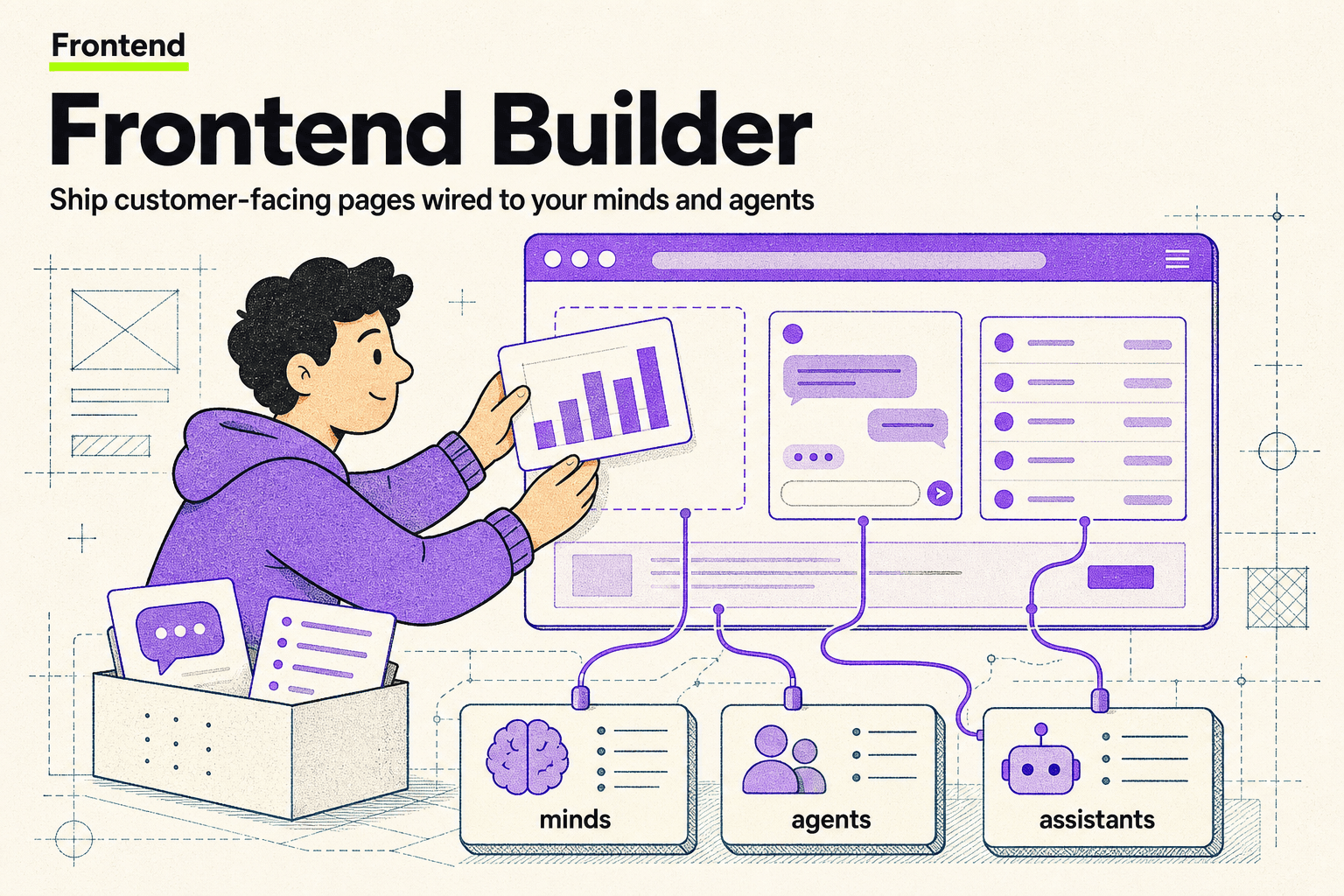
Frontend
Frontend Builder
Ship customer-facing React pages wired to your minds, agents, and assistants.
Knolo SkillHow does AI-Native CMS work?
Loads the AI-native CMS playbook for assembling a headless content system in Knolo: one table Mind per content type (blog posts, pages, authors, categories) with SEO-ready schemas, a document Mind for generated images, and a maintained Content Index that holds the internal-link graph. A Writer assistant authors and illustrates entries; an Optimizer agent reads Google Search Console performance (backfilled into entries via an integration) plus an SEO/AEO rubric to improve underperformers, with episodic memory so it diversifies and learns. The core stance is that Knolo is the content brain, not the website: entries are addressed by stable slugs, links reference slugs, MDX is stored (not rendered) in the body, and the consumer site fetches published content through the built-in CMS API with a space API key. An optional internal frontend provides a human-in-the-loop review and approval surface.
What phrases trigger this Skill?
“ai-native cms”
“headless cms”
“content management system”
“blog cms”
“self-optimizing content”
“seo cms”
“content api for my site”
“programmatic seo”
Frequently asked questions
How is this different from a normal headless CMS?
Contentful or Sanity store what humans write. Here the CMS operates itself: AI authors and illustrates entries against your brand voice, maintains the internal link graph, and — the key difference — an optimizer agent reads real Search Console performance per entry and rewrites what underperforms. It's a content system with a feedback loop, not just storage.
Does it host or render my website?
No, deliberately. Content is served through the CMS API with a space API key, and your own site — Next.js or any framework — fetches and renders it. You keep full control of delivery, design, and domains; the CMS owns everything up to the API.
How does the self-optimization work?
Google Search Console performance is backfilled into each entry, so the optimizer agent can see which pages get impressions but no clicks, which queries they almost rank for, and which underperform. It improves those entries against an SEO/AEO rubric, with memory of what it already tried so revisions diversify instead of repeating.
What content types can it manage?
Whatever you model: blog posts, marketing pages, authors, categories — each is a structured table with SEO fields (meta title, description, canonical, OG image, keywords) baked into the schema, plus a media library for generated cover and in-content images.
Can humans review content before it goes live?
Yes. Entries carry a status, and only published content is served through the API — so drafts and AI revisions can sit behind a human review gate, optionally with an internal review frontend, until you approve them.